
Explore scientific environments.
From molecular structures to physical systems, each environment turns a scientific objective into an executable research task.
Showing 20 scientific environmentsBiology & medicine
8 environments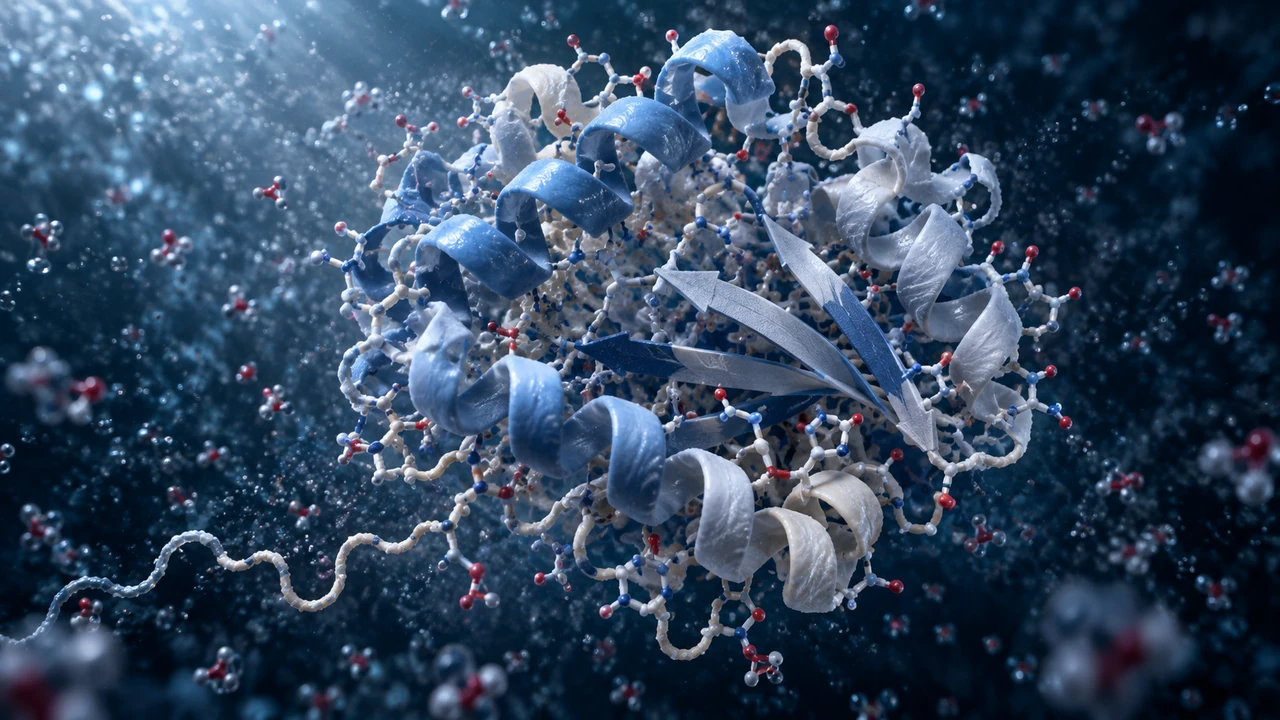
Protein Folding Prediction
Predict the structures of proteins and their molecular partners.

Natural Disease Progression
Anticipate serious new disease events from patient histories.

Clinical Trial Modeling
Model clinical studies, their participants, and their outcomes.
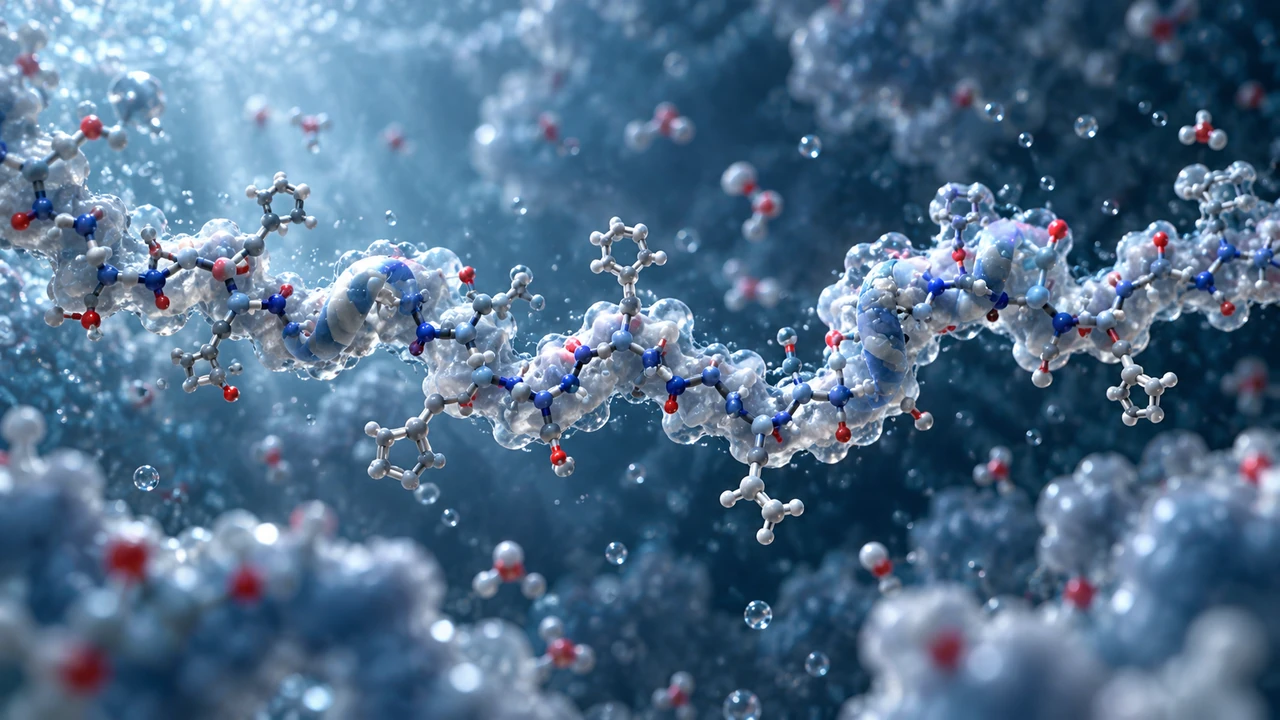
Protein Sequence Modeling
Learn a shared representation across protein sequence tasks.
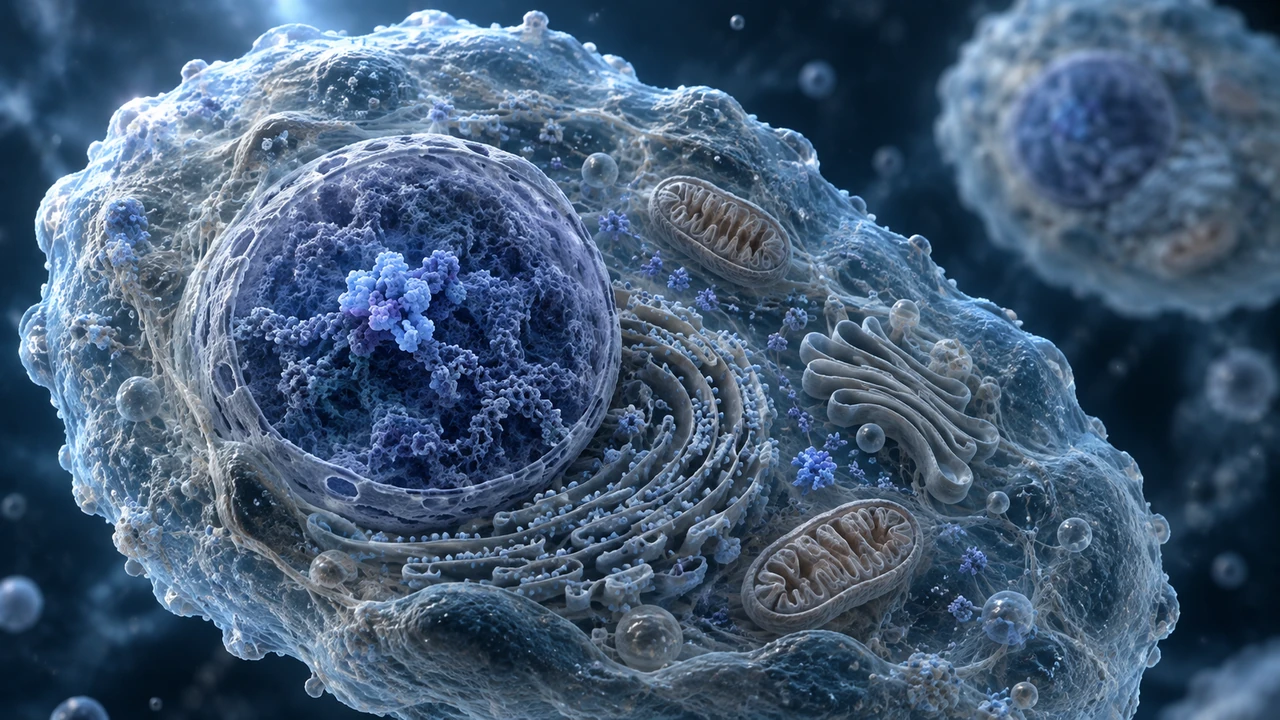
Single-Cell Perturbation Prediction
Predict single-cell CRISPRi responses in unseen cellular contexts.
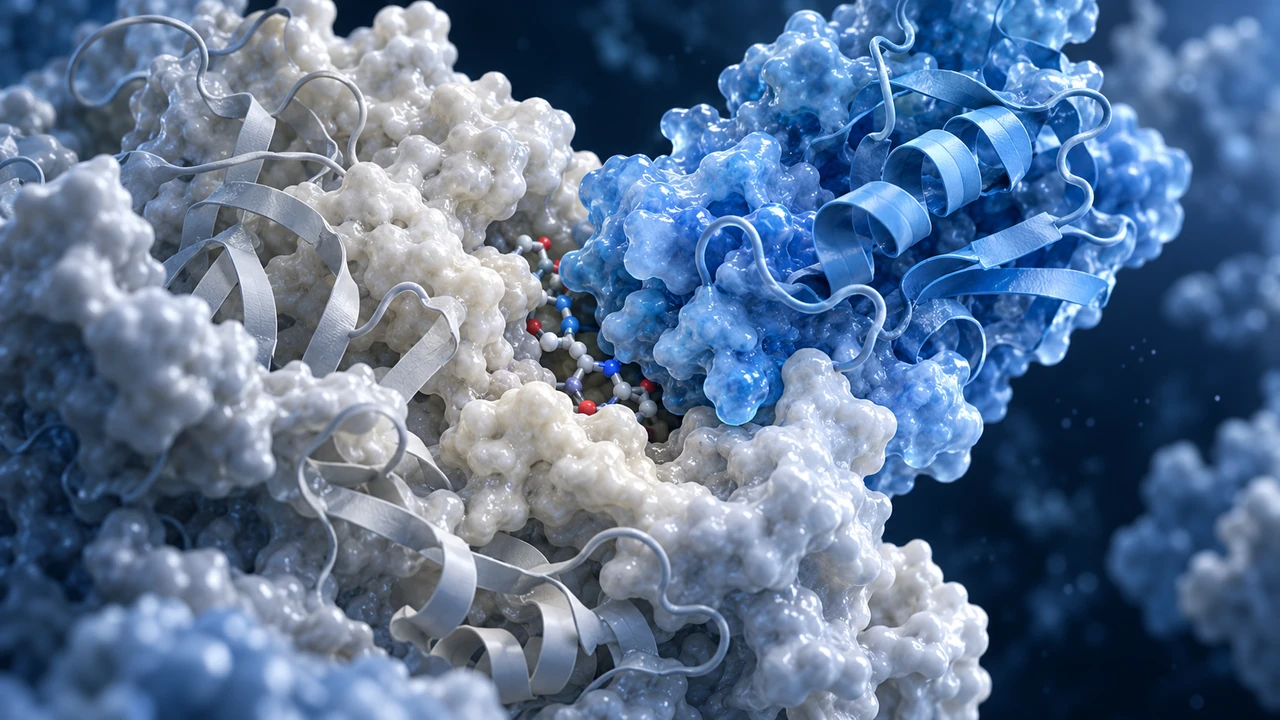
Protein Design
Generate protein structures for binding and catalytic tasks.
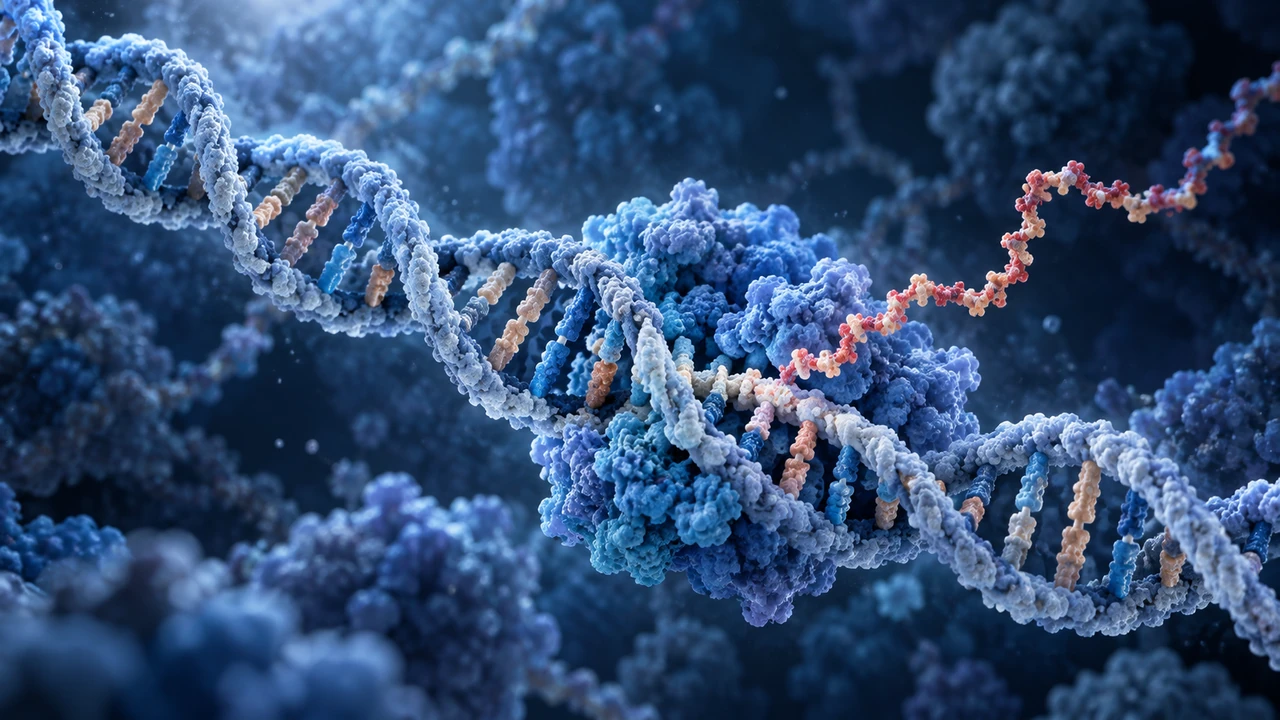
Genome Sequence To Function
Predict functional genomic signals and variant effects from DNA.
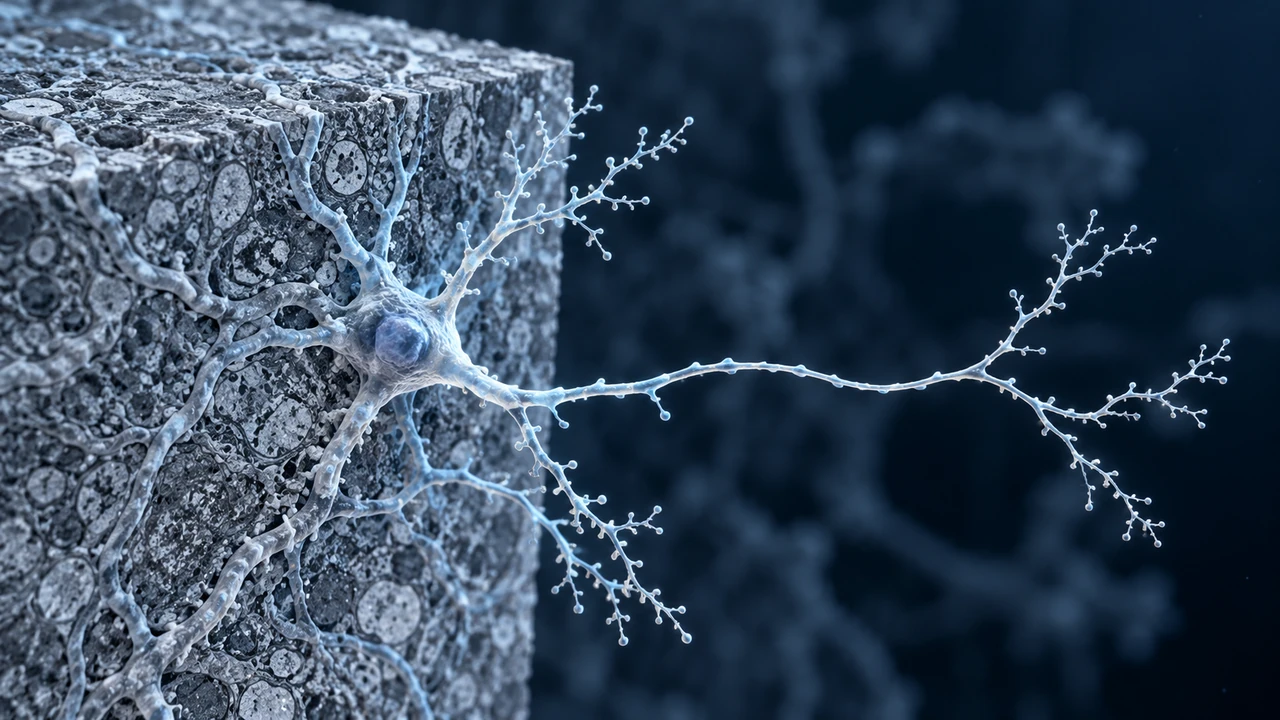
Fruit Fly Neuron Reconstruction
Reconstruct individual neurons from 3D electron microscopy.
Materials & chemistry
4 environments
Crystal Structure Generation
Generate candidate crystal structures and evaluate their stability.
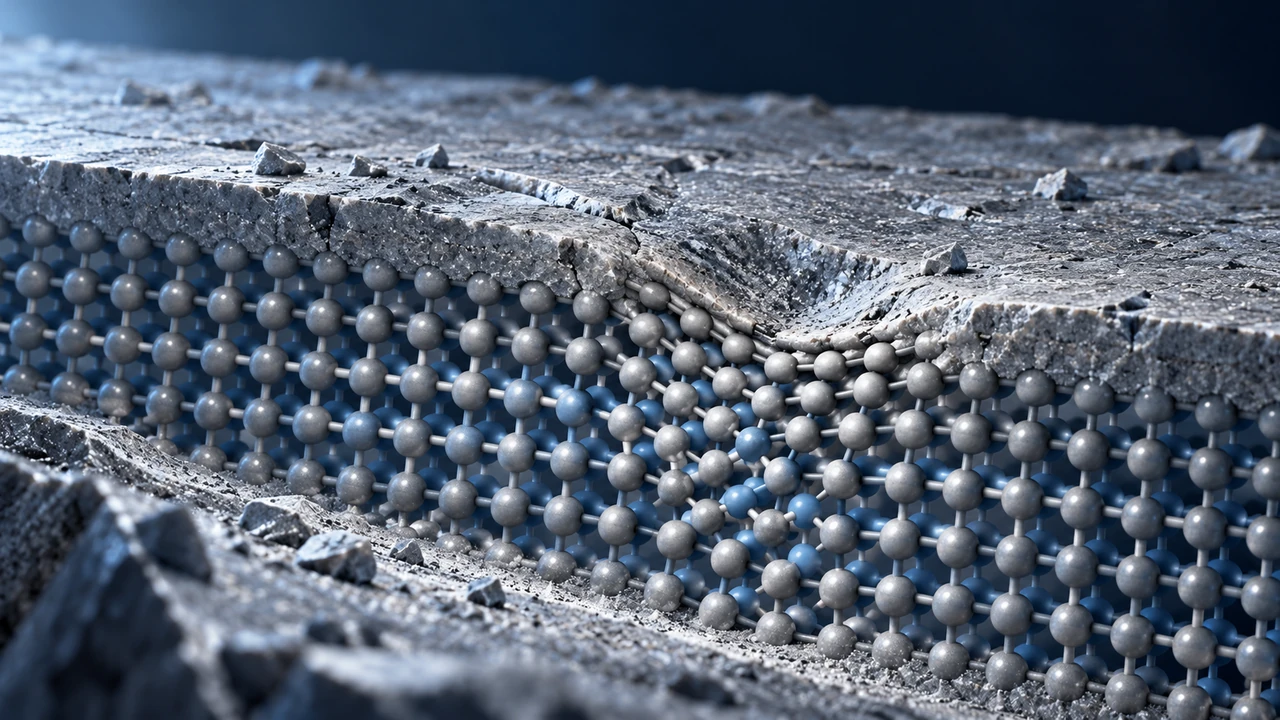
Atomistic Materials
Pretrain crystal potentials from scratch across eight physics suites.
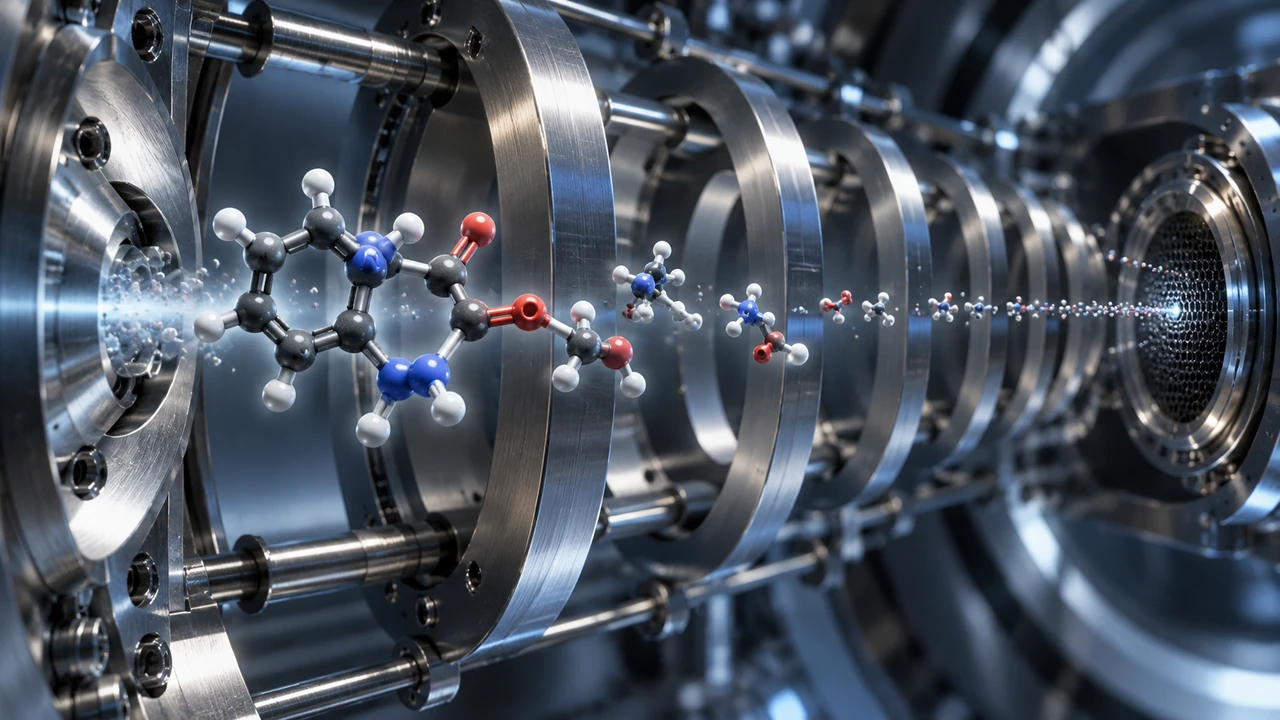
Mass Spectrometry Molecule Retrieval
Identify molecular structures from experimental mass spectra.
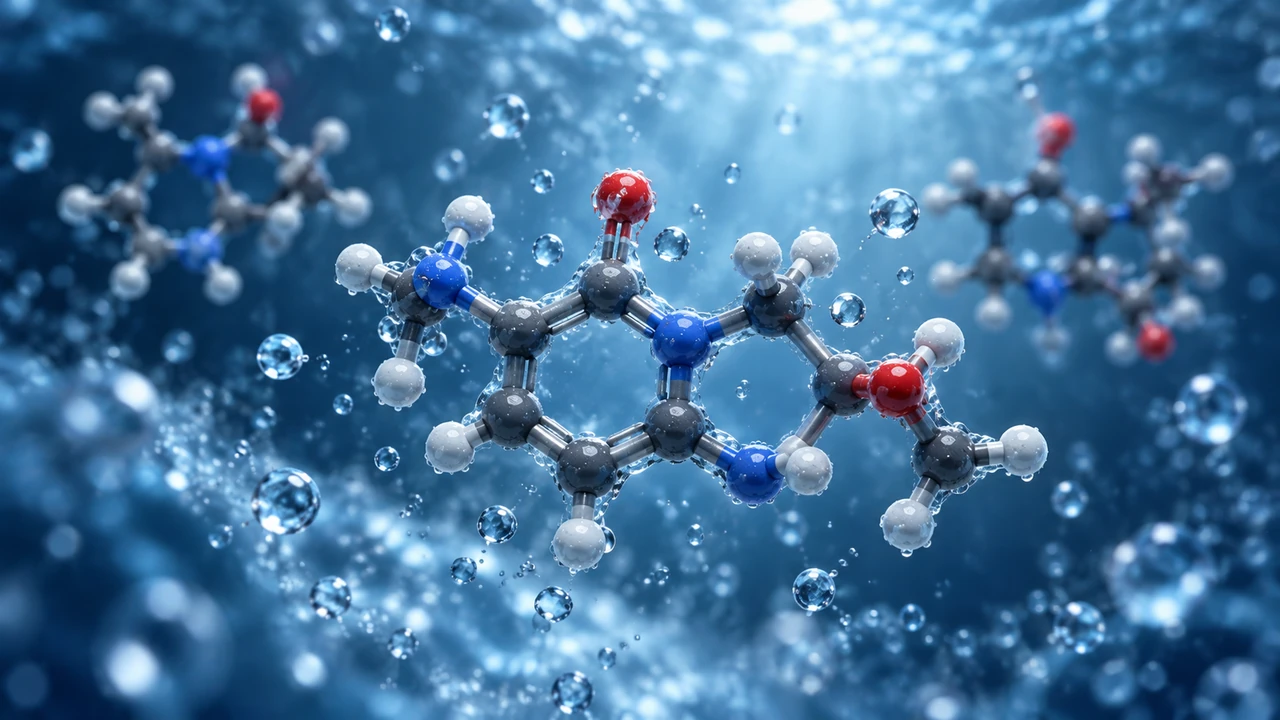
Molecular Pretraining Transfer
Pretrain molecular encoders that transfer across property prediction tasks.
Physical sciences
6 environments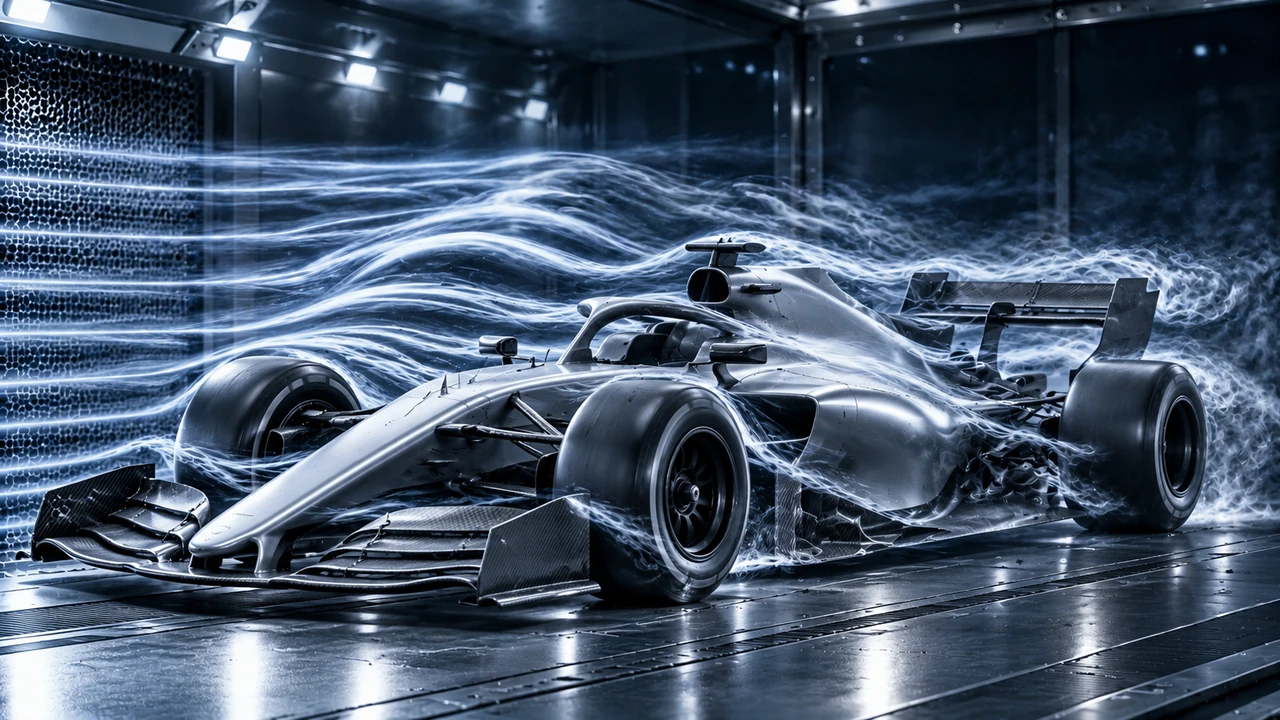
Fluid Flow Control
Learn closed-loop control of complex fluid behavior.
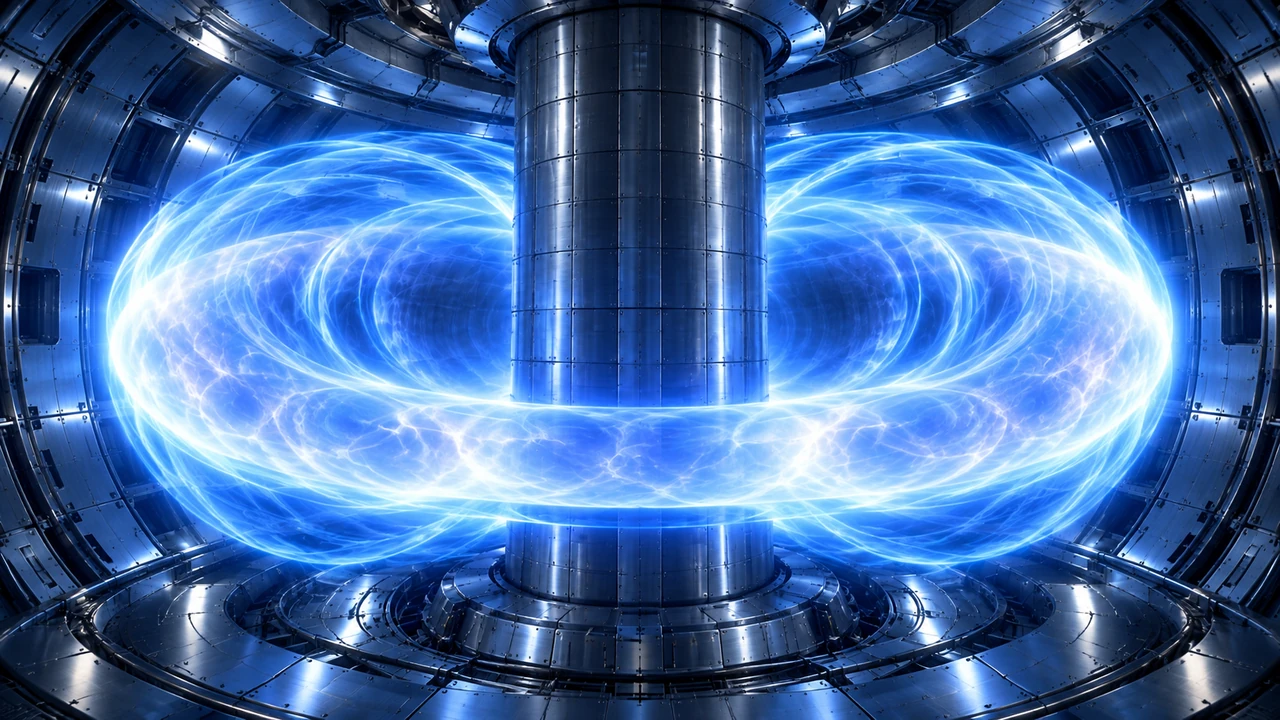
Tokamak Magnetic Control
Control a tokamak's plasma shape, position, and current.
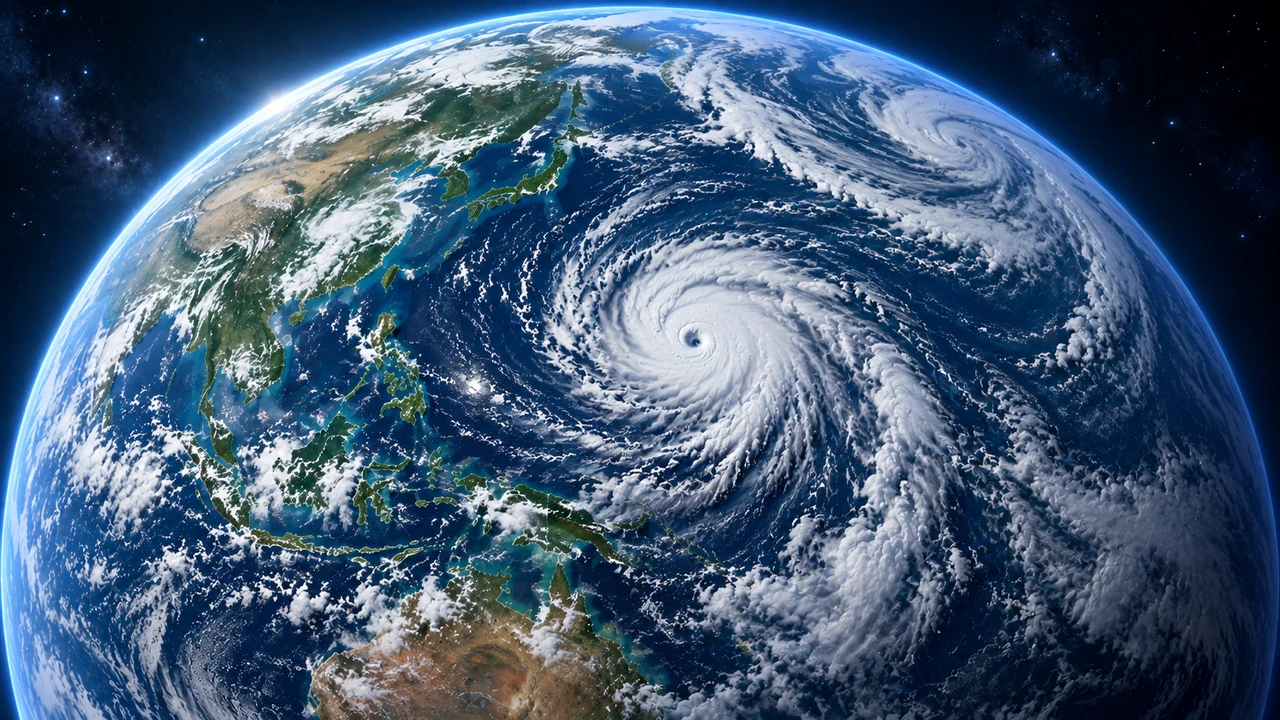
Probabilistic Global Weather
Predict a range of possible global weather futures.
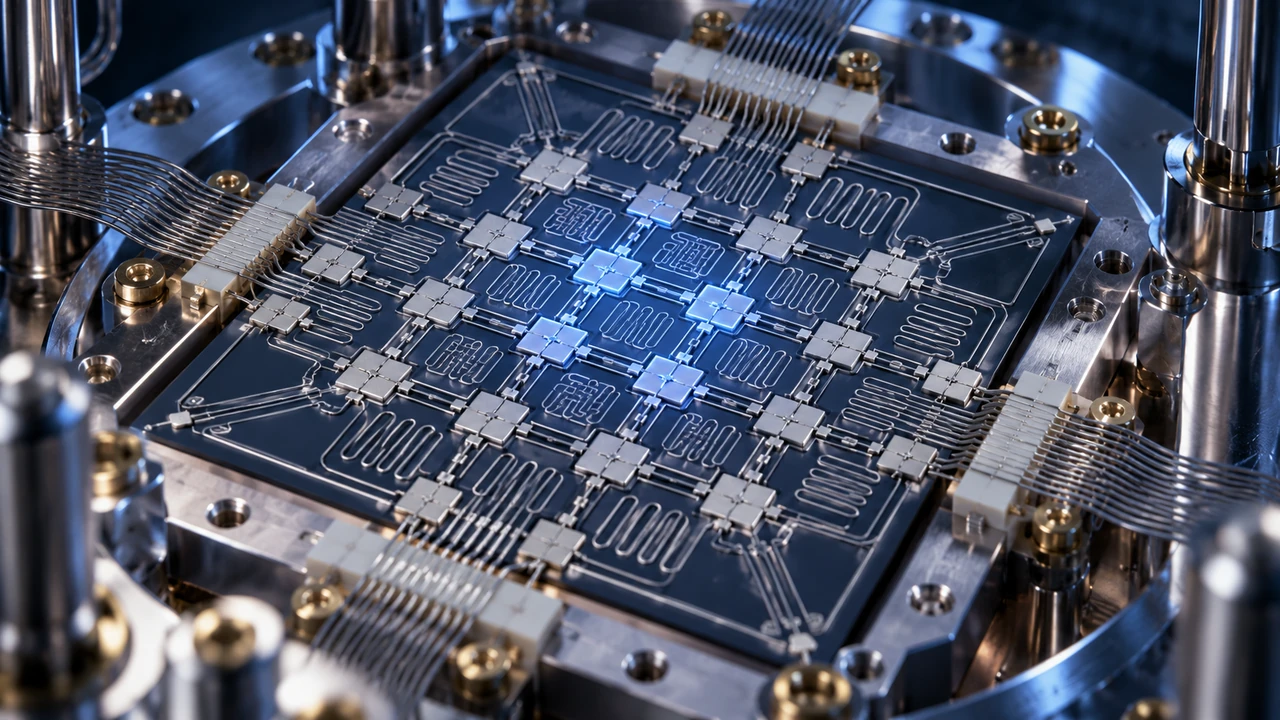
Surface Code Decoding
Decode logical information from repeated quantum measurements.
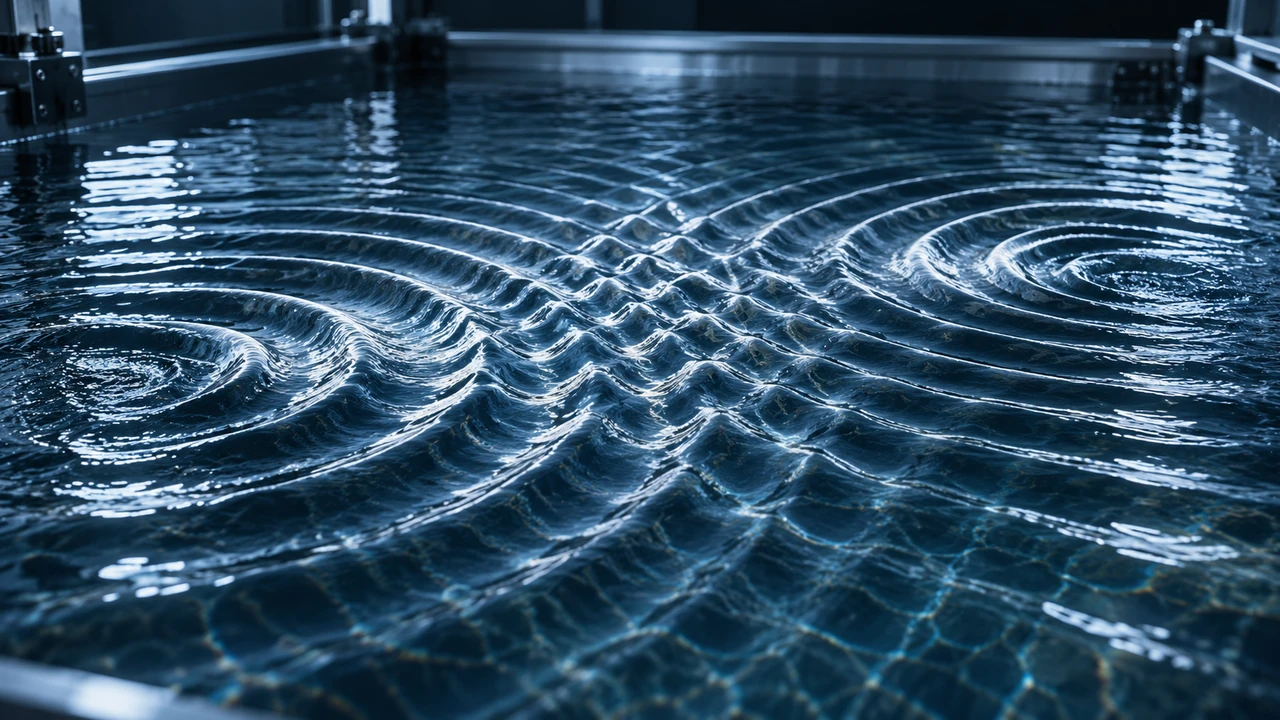
PDE Surrogate
Learn dynamics that transfer across physical systems.
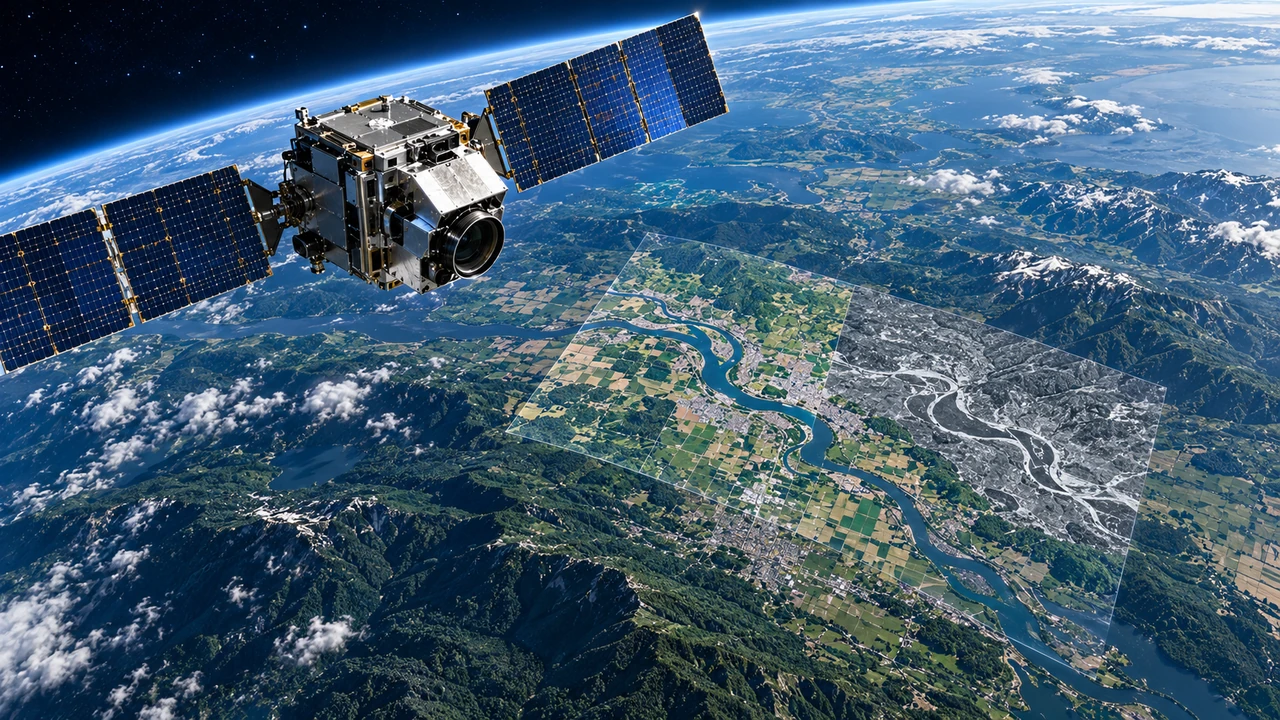
Earth Observation Pretraining and Transfer
Pretrain Earth observation representations and evaluate their transfer.
Research & forecasting
2 environments
Illustrations of scientific concepts.